Emergency Medical Dispatch Certification
Emergency Medical Dispatch Certification
We've been training emergency medical professionals since 2012. Our EMD program was built by someone who has done the work, not just studied it.
To make high-quality emergency medical dispatch training accessible and affordable for every 9-1-1 center, agency, and individual in the country. We believe dispatchers are the first link in the patient care chain and deserve training that reflects that responsibility.
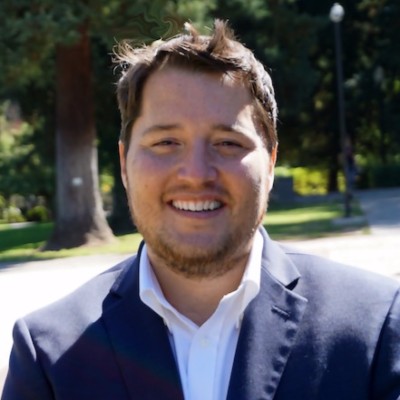
With over 25 years in EMS education, Ruben Major, EMT-Paramedic, M.A., J.D., has trained thousands of EMTs, paramedics, and dispatchers across the country. His love of law and advocacy for EMS professionals has helped shape EMS education in the country for the better - pushing for higher standards, stronger protections, and better training for the people on the front lines.
What sets this program apart is that Ruben didn't just design a course. He built and implemented a full EMD program from the ground up for the Gila River Indian Community in Arizona. He trained every dispatcher, established the EMD Guidance Committee, brought on a physician medical director, and guided the program through Community Council approval.
Within the first few months of that program going live, dispatchers provided CPR instructions over the phone, talked callers through choking emergencies, assisted with childbirth, and helped dozens of unconscious patients, all before responders arrived on scene. One community member wrote a letter to the local newspaper about how the new EMD program could have saved her 14-month-old daughter, who choked on a balloon years earlier before dispatchers had the training to give pre-arrival instructions.
That experience is the foundation of everything in this course. Ruben believes dispatchers deserve more than scripts and checkboxes. They deserve training that builds real decision-making skills for real emergencies.
Most EMD courses teach protocols through reading and quizzes. Ours goes further. Throughout the course, students handle simulated 911 calls by dialing a dedicated training number. On the other end is a caller in crisis: a panicked mother with a choking child, a bystander at a cardiac arrest, a confused elderly caller. The scenarios have realistic background sounds and caller emotions.
After every call, students receive a detailed scorecard across nine categories including address verification, chief complaint identification, protocol compliance, pre-arrival instructions, and caller management. With dozens of scenarios at varying difficulty levels, your dispatchers can practice as many times as they want, 24/7.
EMS University operates in-person training centers in Arizona (Tempe, Tucson, Peoria), California (San Diego, Bay Area, San Francisco), Texas (Dallas/Fort Worth, San Antonio, Houston), and Florida (Miami). Our online programs, including this EMD course, are available nationwide.
This Emergency Medical Dispatcher course is State Approved - the gold standard for EMS continuing education in the United States. State approval means your CE hours are recognized by the National Registry of EMTs (NREMT) and accepted by state EMS offices nationwide.
When you complete this course, your hours are automatically reported to your NREMT record and credited to your NREMT record - no paperwork, no manual submissions.